Crazy Cravings!
 Emily Deibler
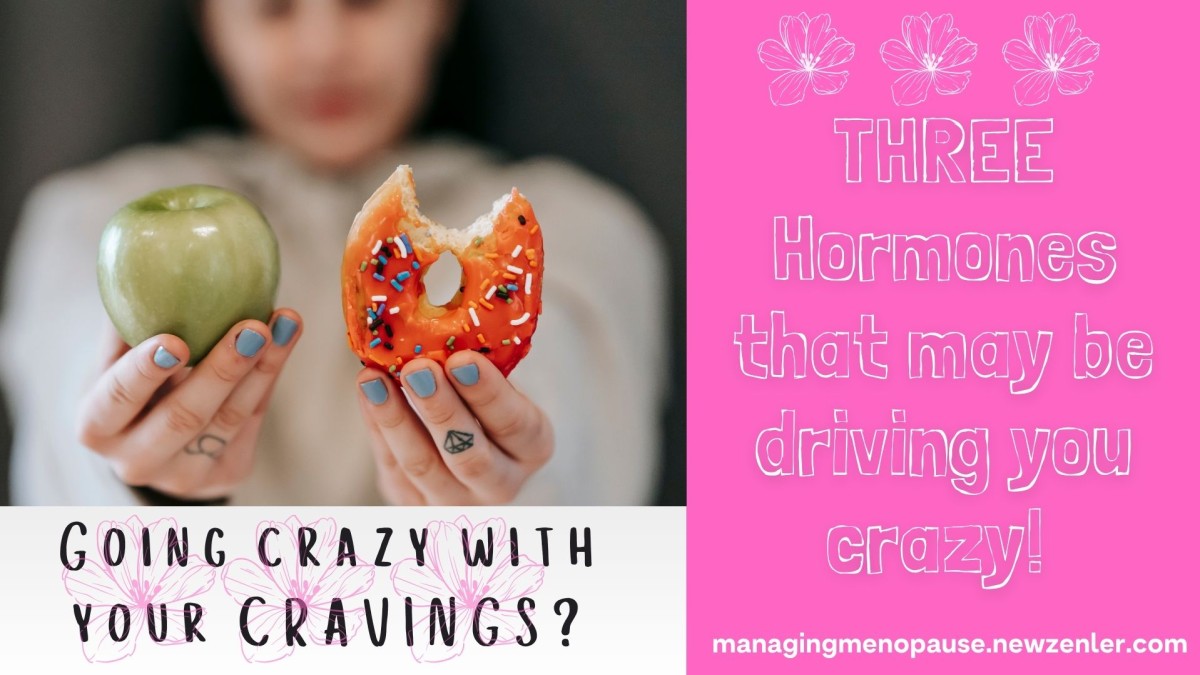
We often think cravings mean we’re low on willpower, but in reality, they’re usually our hormones trying to tell us something’s out of balance.
You’re not alone in feeling like you are physically pulled toward something sweet or salty at certain times of the day. Several hormones work behind the scenes, making it a battle to resist foods that don’t always provide us with the most nutrients. There are three major players that can really affect us and make it more challenging in fighting off weight gain during this transitional phase of life.
1. Cortisol
I'm sure you've heard of this hormone before and its relation to weight gain- or more commonly its ability to halt weight loss. Cortisol is released by the adrenal glands as your body's main stress hormone. The big problem with this is most of us are too stressed, too often! I mean... work, family, kids, social commitments-- you're body can't tell if it's good or bad stress- it's all the same. And about a third of adults feel totally overwhelmed most days. This can be bad news for our gut as increased cortisol levels revs up our appetite making us feel hungrier and hungrier and then the inevitable weight gain.
Stress isn’t something we can (or should)totally avoid. But- looking for ways to better manage it is a great start to keeping some calm in your life. A nice walk, a good workout, prioritizing sleep and eating plenty of emega-3 fats are all little steps to feeling more calm!
2. GLP-1
This is ALL the talk now! But did you know that GLP is a hormone produced by the body when food enters the small intestine to tell us we are full? It can help to regulate our appetite and reduce cravings and in turn reduce overeating.
Thing is- stress, crummy sleep, and poor eating habits can cause it to get out of whack and actually increase our cravings for more crummy foods to get that quick fix - feel good state (that never lasts).
Bumping up your fiber intake can be a stellar way to increase your GLP-1 levels (and help with hot flashes!). Most adults aren't getting enough fiber anyways, and women during menopausal years actually need a bit more! I like to aim for around 25 grams per day.
3. Leptin
Leptin is made by fat cells to tell your brain, "I'm done!". It's all about the satiety. When this hormone is out of sorts- the message doesn't get sent - so your brain doesn't realize you've had enough nutrients and it doesn't relay that you can stop eating. This can lead to still feeling hungry even if you've had plenty to eat.
Sleep is a big regulator of leptin levels - so really working to prioritize good sleep hygiene and habits can get you back on track.